
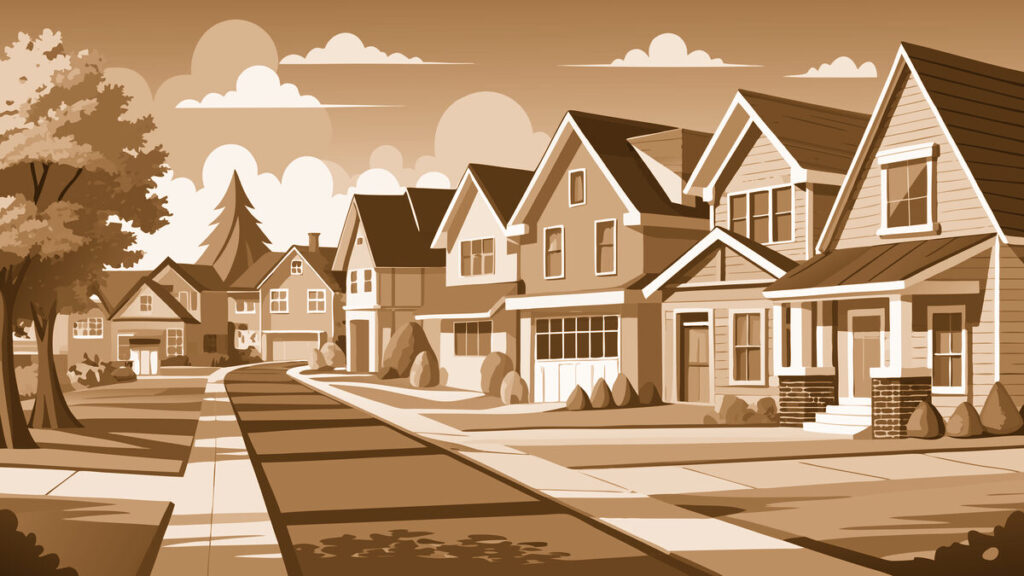
Introduction: A Neighborhood with Deep Roots
Nestled among the rolling hills just northeast of Berkeley, Upper Kensington in Contra Costa County is more than just a tranquil suburb—it’s a tapestry woven from stories, time-honored traditions, and the enduring spirit of its residents. For those who walk its leafy streets, past stately homes and venerable institutions, it quickly becomes clear that Upper Kensington offers a unique blend of historic charm and neighborly warmth rarely found elsewhere in the Bay Area.
Origins: From Ranchland to Community
Upper Kensington’s story begins in the late 19th and early 20th centuries, during a period of transition for the East Bay. Originally, this region was home to the Ohlone people, whose presence predates modern settlements by thousands of years. With the advent of Spanish colonization and, later, Mexican land grants, the area became part of the vast Rancho San Pablo.
It wasn’t until the early 1900s that Kensington began to take shape as a community, as tracts of ranchland were subdivided to meet the growing demand for residential neighborhoods just outside urban Oakland and Berkeley. The “Upper Kensington” designation refers primarily to the area north of Arlington Avenue, where homes are perched along winding, sloping roads commanding breathtaking views of San Francisco Bay.
How Upper Kensington Got Its Name
The naming of Kensington is a nod to British heritage—a fashionable choice in an era when American neighborhoods often borrowed names from English locales to lend a sense of prestige and stability. “Kensington” likely pays homage to Kensington, London, a neighborhood known for its regal atmosphere. Upper Kensington soon differentiated itself by its higher elevation and panoramic vistas.
Streets like Coventry Road and Arlington Avenue echo this British theme, and many early postal and real estate records reference “Upper Kensington” as a distinct enclave set apart by its elevation and architectural ambition.
Key Milestones: Growth and Community Spirit
- 1920s–1930s: The neighborhood’s earliest homes appear, designed by renowned architects such as William Wurster and Bernard Maybeck. These homes reflected prevailing trends in Craftsman and Tudor styles, establishing the architectural character that endures today.
- Arlington Community Church: Founded in 1924 and built on Arlington Avenue, this landmark remains a focal point for gatherings and community events.
- Post-War Era: Rapid development in the 1940s and 1950s spurred the construction of schools, parks, and small commercial hubs, fostering a sense of cohesion and belonging.
Notable Landmarks and Buildings
- Kensington Community Center (59 Arlington Ave): Tucked beside Kensington Park, this mid-century building has hosted concerts, lectures, and social events for decades. It remains a gathering place for Upper Kensington residents, with everything from yoga classes to the annual Fourth of July celebrations.
- Kensington Library (61 Arlington Ave): Though modest in size, this jewel of a library has long been cherished by local families. Its beautiful views make it a wonderful spot to linger with a good book.
- Kensington Park: Often considered the “heart” of Upper Kensington, this lush green space is popular with families, dog-walkers, and picnickers. Its playground, tennis courts, and wooded paths make it a favorite for residents of all ages.
Architectural gems, such as the cluster of early 20th-century homes along Highgate Road and the period cottages on Beloit Avenue, continue to draw admirers. Many feature original details—stained glass windows, wrought-iron railings, and hand-crafted fireplaces—that speak to the artistry of their era.
Evolution Through the Decades
Upper Kensington has gently evolved, balancing preservation and progress. While modernization has touched many homes and businesses, efforts to retain the neighborhood’s historic character have kept its distinctive ambiance alive.
- Schools: The local Kensington Hilltop Elementary School has served generations of children since 1949, instilling a strong sense of community continuity.
- Commerce: Small businesses along Arlington and Colusa avenues—an art supply shop, a beloved bakery, and neighborhood coffeehouses—anchor the social life of Upper Kensington.
- Open Spaces: Residents are proud stewards of their natural environment, advocating for the preservation of beloved green spaces such as Blake Garden, a botanical oasis maintained by the University of California, which provides both beauty and educational opportunities.
The neighborhood’s gently meandering streets are ideal for evening strolls, often leading residents to impromptu sidewalk conversations. Block parties and holiday parades remain cherished traditions, reflecting the enduring bonds among neighbors.
Stories and Traditions
Every longtime resident has a favorite Upper Kensington memory—the clatter of rain on tiled cottage roofs, the riot of spring blossoms down Hays Avenue, or the golden glow over Wildcat Canyon at sunset. Oral histories recount tales from the World War II era, when residents gathered to host drives for war bonds, or the 1970s environmental movement, which saw neighbors join together to preserve open space and local heritage.
Upper Kensington has also seen its fair share of artistic and literary notables, drawn by its quiet beauty and its proximity to Berkeley’s intellectual life.
Upper Kensington Today: A Heritage Preserved
Today, Upper Kensington stands as a microcosm of California at its best—a place where the past is respected, the present is lively and welcoming, and the future is approached with care and optimism. Newcomers often remark on the friendliness of greetings as they pass along the Arlington, and the deep-rooted pride residents feel for their charming hillside enclave.
If you happen to stroll along Grizzly Peak Boulevard at dusk, watching the lights twinkle across the Bay while the redwoods rustle overhead, you’ll understand why Upper Kensington is so much more than just another neighborhood. It’s a living legacy—a place where history, heritage, and humanity are woven together for generations to come.